
Guido Guidi: Da un’altra parte
Solo Show
Curated by Alessandro Rabottini
Produced and realized by 10 Corso Como
With the collaboration of Viasaterna, Milan
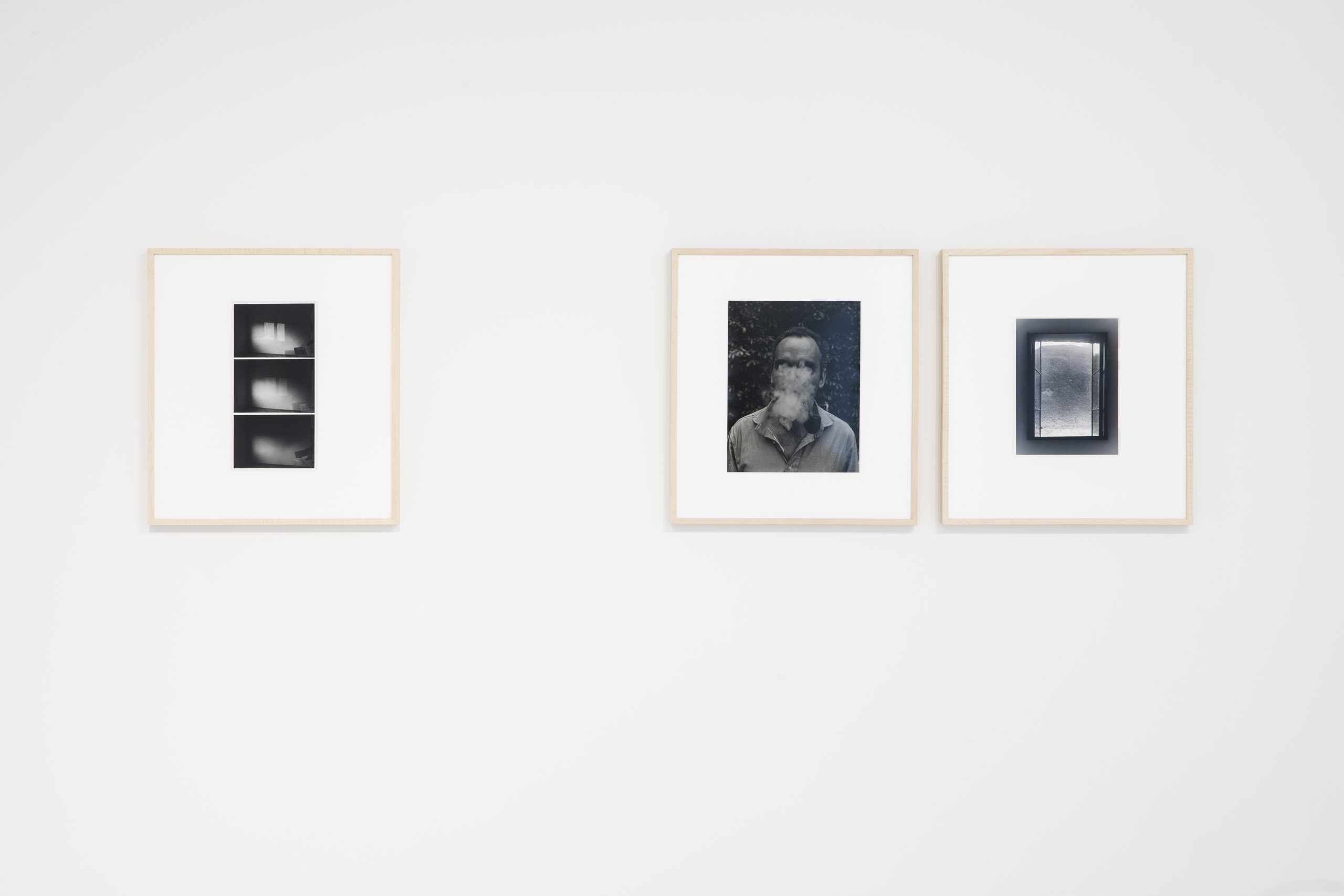
Da un’altra parte (Elsewhere) provides a wide-ranging showcase for Guidi’s photographic work. The selection concentrates on the theme of the shadow, interpreted as the result of the encounter between light, space, and time – i.e., between three of the main coordinates of Guidi’s practice.
Guido Guidi (Cesena, 1941) is an internationally acclaimed photographer, renowned for the contribution he has made to the field of photography since the 1960s and celebrated for his personal way of looking at the landscape, architecture, and things, which is at once lyrical and analytical. His images are a distilled reflection on the most quotidian, marginal, and anti-monumental spaces that we inhabit, a tactile exploration of the forms that surround us and which we often neglect, rendered as if frozen in time. Over the decades, Guidi has affirmed the necessity for a “poetics of attention”. In his works, the very act of seeing is never taken for granted; on the contrary, it is analyzed from numerous per
spectives, encompassing everything from its existential aspects right through to its formal and theoretical repercussions. Thanks to the consistency with which he has always scrutinized the most liminal aspects of reality, Guidi has also influenced generations of photographers, creating a visual idiom that is as subtle as it has been seminal.
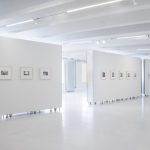
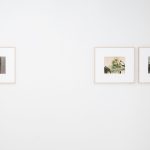
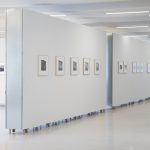
Curated by Alessandro Rabottini, Da un’altra parte compiles a wide selection of photographs taken between the early 1970s and 2023, in an exhibition that focuses on the persistence and recurrence of certain themes across the decades. Although Guidi conceives, publishes, and shows his work through the format of the photographic series, in this exhibition the selection of works concentrates on single images, extrapolated from the series to which they belong. The works were placed in dialogue with each other, according to a principle of poetic and formal tension, over and above the chronological sequence and any separation between the genres of portraiture, still life, and architectural photography.
What unites these photographs is the presence of a shadow or a reflection of light, the sudden passing of a flash or the mobility of darkness. As part of a narrative that charts different phases of Guidi’s photographic output, the show traces a number of constants within them: the material investigation into the transience of time; the paradox of an image that contains next to nothing; the aesthetic manifestation of the void; and the idea of photography as an art form intimately connected to the appearance and disappearance of things. In this sense, orbiting around the device of the shadow we find some of the main themes addressed in Guidi’s work: the relationship between space and light, between the solidity of architecture and the fleeting nature of the instant, between urban space and individual perception, between material traces and memory. Starting from a meticulous, daily practice that analyzes the very structures of the photographic medium, Guidi conveys the palpable presence of the most earthly of things: the sensory intensity of a crumbling wall, of a road surface, or of a stretch of sand. In contrast, the few human figures in the exhibition are captured almost as elusive presences: their faces partially concealed or emerging from the half-light, their features illuminated only in part, as if to represent human existence as both a rhythmic emersion from space and an immersion in time.
Guidi’s photography can be interpreted as part of a trajectory of silence running through Italian visual culture from Piero della Francesca to Michelangelo Antonioni, via Giorgio Morandi and Luigi Ghirri. As icons of the unspoken (or of the quietly spoken), time and again the exhibition includes empty billboards, denuded walls that record the moments of a solar eclipse (as in the sequence of six photographs entitled Ronta 11/08/1999), and windows that open onto horizons almost shorn of spatial reference points. There are also still lifes, on the verge of abstraction, which portray fragments of his housecum-studio in Ronta. Often, his own shadow appears within the works, thus manifesting the presence of Guidi’s lens and his own position as the photographer, intent on verifying the material conditions of the creation of an image. Guidi reveals his own faith in the essential by working systematically within the photographic medium and through a perspective and a practice that are both extremely rigorous. And it is this rigor that enables him to open his work up to formal outcomes that take in both the lyricism of the everyday and an experimental attitude that is at times harsher and more raw. Through an economy of expressive tools and visual manifestations, Guido Guidi suggests an ethical way of existing in the world and in the present as an act of parsimony, awareness, and responsibility.