
Talia Chetrit: Gut
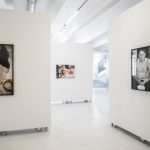
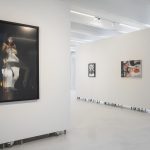
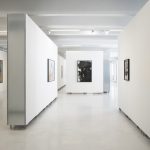
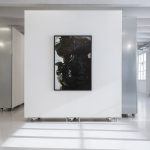
Solo Show
Curated by Alessandro Rabottini and Anna Castelli
Produced and realized by 10 Corso Como
With the collaboration of kaufmann repetto, Milano / New York
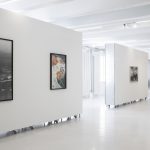
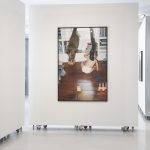
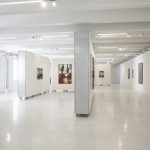
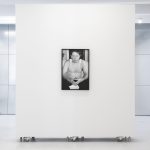
10·Corso·Como presents the most comprehensive exhibition to date showcasing the work of US artist Talia Chetrit.
Through her straightforward yet nuanced use of the camera, Chetrit draws on the history of the medium of photography while expanding contemporary notions of self-representation, sexuality, power, and relationship. In so doing, she produces images that are at once elaborately conceived, lyrical, and provocative. Fusing emotional intensity with a specific approach to composition, her pictures can be understood as an exercise in what it means to look and what it feels like to pose; an exploration of the formal implications of the act of framing and the psychological dynamics of becoming the subject of an image.
Self-portraits, family scenes, still lifes, street photography; no subject is excluded from Chetrit’s critical investigation into the current validity of the various genres of photography. These images instill a candid feeling of fragility and a confrontational sense of breaking taboos.
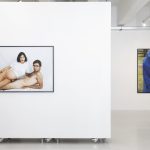
For her solo exhibition at 10·Corso·Como, the artist brings together works from the last twenty-nine years (1994-2023), creating a dialoguebetween images that encapsulate different moments in both her artistic career and her private life. Recent works appear next to photographs that Chetrit took of her childhood girlfriends when she was a teenager in the mid ’90s, such as Logo (1996/2017) and Face #1 (1994/2017). Here the subjects display a remarkable awareness of being observed and, despite their youthfulness, engage in an intentional relationship with the camera, through gestures and poses that are borrowed from fashion magazines, cinema and TV. Another early work, Murder Picture #3 (1997/2017), depicts a friend posing as a murder victim in what it appears to be a subway car. There’s a daring yet tender quality here, expressed in the fledgling experimentation of a fifteen-year-old girl who is capable of quoting Cindy Sherman’s seminal Untitled Film Stills (1977-1980) while exploring our society’s fascination with violence and the sensational voyeurism implicit in crime-scene photography.
For the artist, recontextualising today photographs taken almost thirty years ago – when photography was little more that an amateur passion for her – is an attempt to “flatten time”. If we consider time to be the ultimate material of photography, this gesture takes on a double meaning: it evokes the fact that, as human beings, we exist in time, but also that we can manifest our ever-changing subjectivities through forms – such as fashion – that are historically determined.
Chetrit’s initial concern with the representation and self-expression of the female subject is further explored in later self-portraits such as Untitled (Body) from 2018 and Self-portrait (Mesh Layer) from 2019, where her partly naked body is exhibited in a mix of staged exhibitionism and humorous self-parody. Turning the lens on herself, the artist sketches elusive self-portraits, sometimes in the pose of a domestic mime, others in the posture of her own muse. Intimacy and exaggeration coexist in these images, in which Chetrit exercises a blend of self-reflexivity and social commentary: the more she exposes herself, the more acutely she challenges traditional representations of femininity and encourages viewers to reconsider their own positions and assumptions towards female subjectivities in contemporary image production.
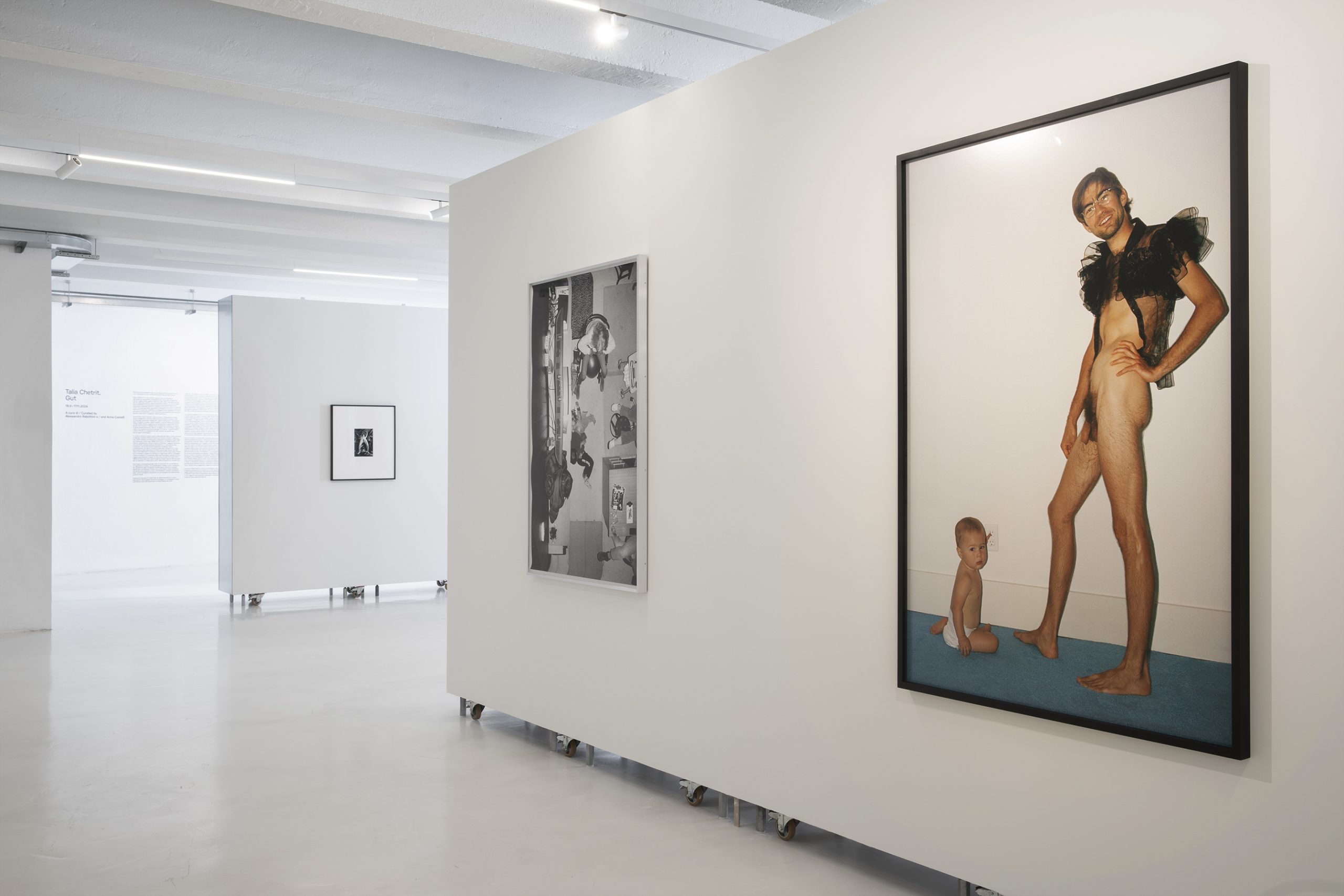
Familial relationships takes center stage in the exhibition, with each member of the artist’s immediate family being portrayed: her mother, in works such as Mom (Ball) from 2022 and Ash (2021), her father in Dad/Mesh (2021), and her partner and child, whom we find depicted individually – Cat Boot Baby (2021) and Back (2016) – or in unconventional family portraits like Untitled (Family #2) from 2021. With a touch of abrasive irony, Chetrit deconstructs familial stereotypes, revealing underlying incongruities and idiosyncrasies, but fashion tropes once again serve as the tools that allow her to blur the distinctions between masculine and feminine, authority and protection. Although Chetrit has been behind the lens of photo campaigns for fashion brands such as Celine, Phoebe Philo and Acne Studio, in her artistic oeuvre, fashion subtly emerges simply as one of the elements within her investigation into identity and social constructs.
Her pictures exist in a temporal and perceptual space that is difficult to locate: they possess the immediacy of a snapshot, the fading quality of a moment of life captured on film, but at the same time we get the feeling of a situation that has been immaculately staged, of a tension towards the compositional and narrative aspects of an image that passes through a deliberate choreography of postures and clothing.
Chetrit’s art is an art of extreme proximity and radical distance. Alongside images that are as intimate as they are confrontational, we also find urban views taken through the use of telephoto lenses: here the subjects, portrayed from afar, are anonymous and blurry, while the artist – contrary to what happens with the rest of her practice – has no emotional connection to the unfolding of events, which she observes from a distance.
Within the emotional spectrum that ranges from intimacy to detachment, last of all we find still lifes too, in which the objects emanate a certain psychological tension. The dramatic play of light and shadow in Angels (1995-2022) seems to suggest the stereotypical idea of love as a romantic field of attraction and conflict, just as Rubber Nipple (2021) evokes the theme of parenthood over and above any oversimplifications: here the eponymous object used to nurse infants becomes a mysterious – almost threatening – presence, glowing in the dark.·
Finally, the melancholic quality of Studio Chair (2018) kindles an atmosphere of seduction and absence.
Like contemporary life – or, indeed, life per se – Talia Chetrit’s art can feel perplexing at times: it exudes honesty while implying deception, embraces feelings and dissects contradictions. Each of these images invites us to reflect on the multifaceted nature of human relationships and the ways in which these dynamics are shaped, standardised and perpetuated through the domains of representation.